How to Help Your Cat Drink More Water
Hot summer days can be hard not only on people but also on our cats. During periods of high temperatures, even young, healthy cats tend to become less active. They sleep more, look for cool places to rest, and may visit their water bowl less often. For senior cats or those living with kidney disease, staying well hydrated becomes especially important.
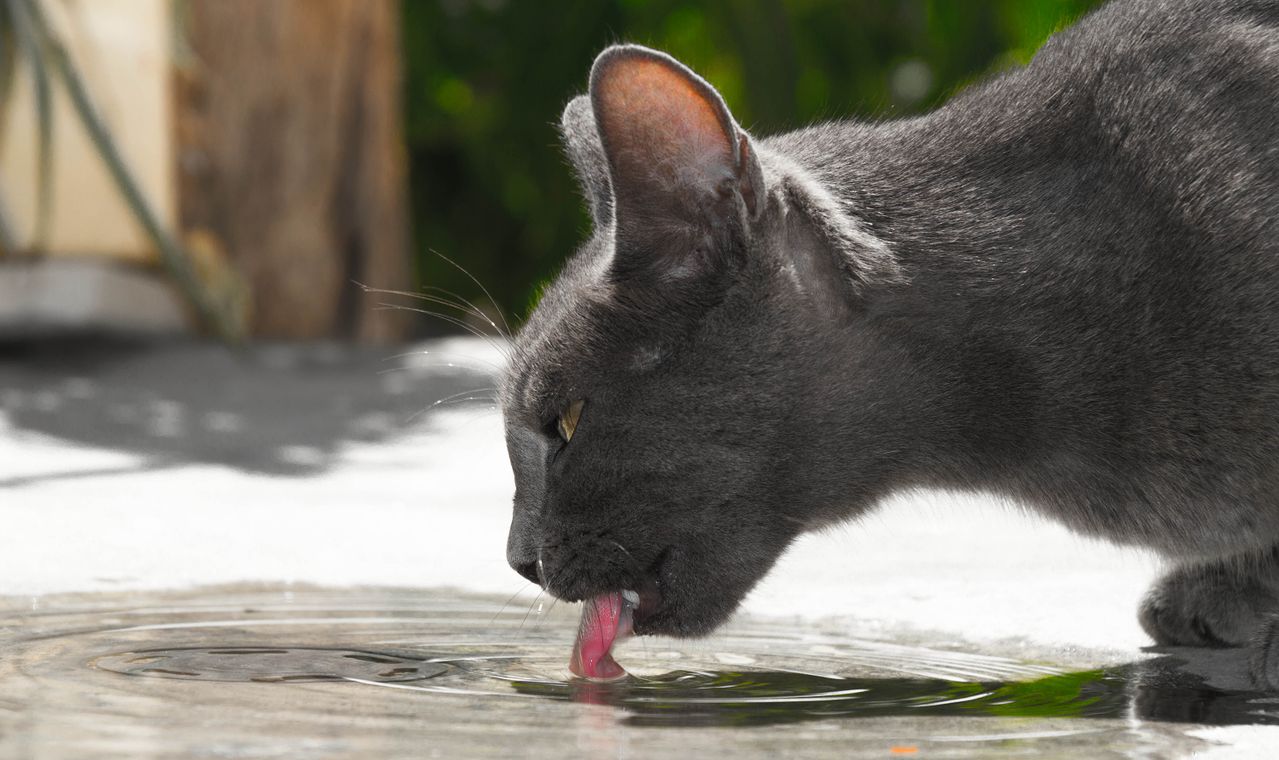
Unlike dogs, cats naturally drink very little water. Their wild ancestors lived in arid regions and got much of the moisture they needed from the animals they hunted, such as mice and birds. Over thousands of years, cats developed an impressive ability to conserve water. Their kidneys produce highly concentrated urine, helping them lose as little fluid as possible.
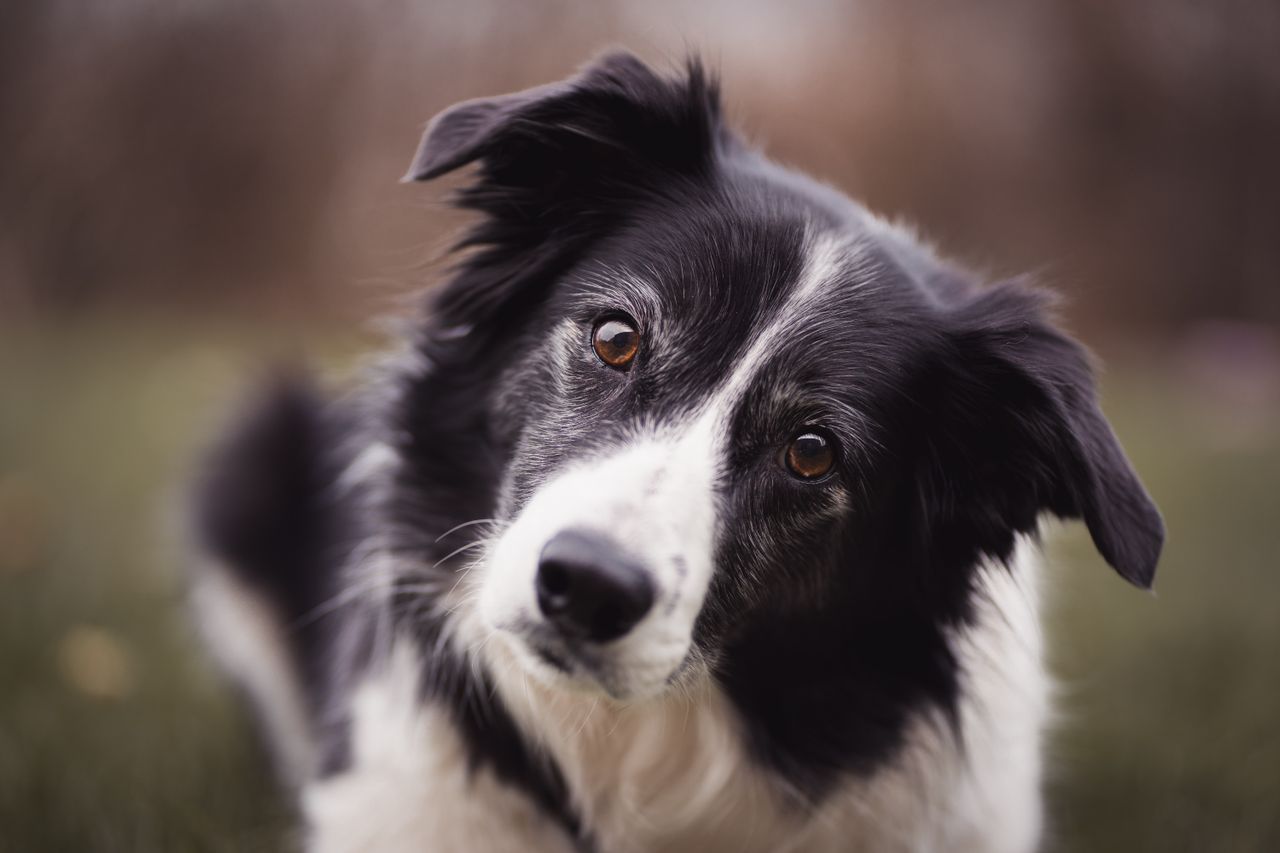
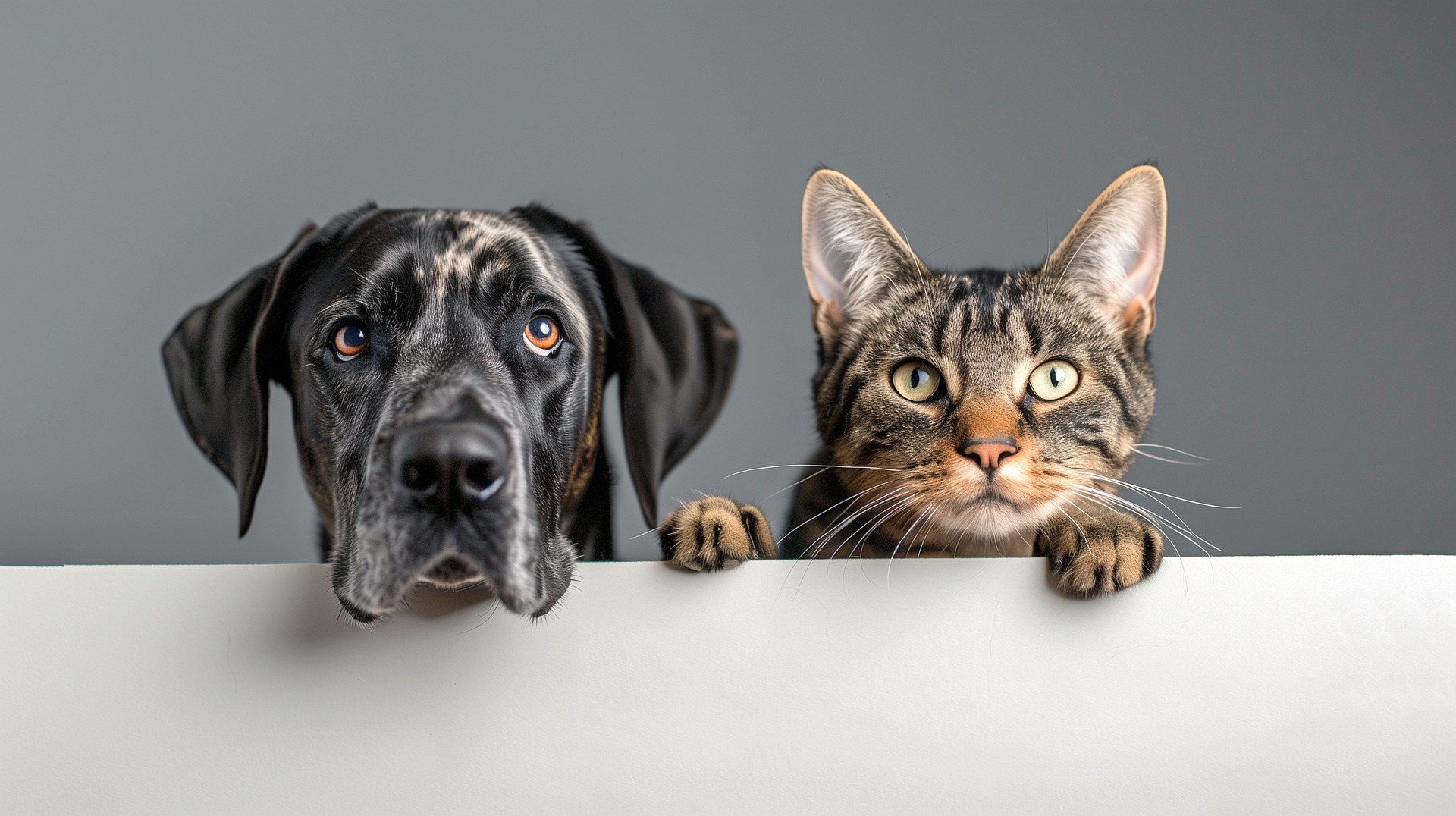
Dogs evolved differently. Although wolves also obtained some water from their prey, they travelled longer distances, were generally more physically active, and naturally drank more water. Dogs also have an effective cooling system: when they get hot, they pant with their tongues out, allowing moisture to evaporate from their tongue and the lining of their mouth, which helps lower their body temperature. Cats are much less efficient at cooling themselves this way. That's why, during hot weather, it's especially important to make sure they always have access to fresh water and a cool place to rest.
As a general guide, cats need about 40–60 ml of water per kilogram of body weight each day, including the moisture they get from their food. Dogs usually require 50–70 ml/kg daily, and even more during hot weather or after exercise.
На щастя, існує кілька простих способів допомогти вашому котику отримувати більше рідини.
1. Feed more wet food
Wet food contains far more moisture than dry kibble. For many cats—especially seniors—it's one of the easiest ways to increase daily water intake. If your cat eats only dry food, ask your veterinarian whether adding some wet food to their diet would be appropriate.
2. Add a little warm water to meals
Many cats happily eat wet food mixed with one or two spoonfuls of warm water. It makes the meal softer, enhances the aroma, and provides extra hydration at the same time.
3. Place several water bowls around your home
If your cat is moving less because of the heat or old age, having water available in several locations makes it easier to drink whenever they feel thirsty.
4. Keep the water fresh
Some cats are surprisingly picky. Fresh, cool water is often much more appealing than water that's been sitting in the bowl all day.
5. Use a wide, shallow bowl
Many cats dislike having their whiskers touch the sides of a deep bowl. Simply switching to a wider, shallower dish can encourage them to drink more comfortably.
6. Try a pet water fountain
Many cats prefer running water. If your cat enjoys drinking from the tap, a pet fountain may be an excellent option.
7. Make the water more appealing
Some cats are tempted by water with a few drops of unsalted chicken broth or the cooking water from plain chicken. Not every cat will like it, but it's worth trying. Important: Never use broth containing onions, garlic, or spices, as these ingredients can be harmful to cats.
8. Watch for changes
If your cat suddenly drinks much less than usual, stops eating, loses weight, becomes unusually lethargic, or shows any significant change in behaviour, don't delay contacting your vet.
Remember: Every Cat Is Unique
There is no single solution that works for every cat. Some will happily drink from a fountain, others will only use a ceramic bowl, and some will simply benefit from switching to wet food.
The most important thing is to pay attention to your cat's individual needs and find what works best for them.
Sometimes, just a few extra sips of water each day can make a real difference to your cat's health and well-being.